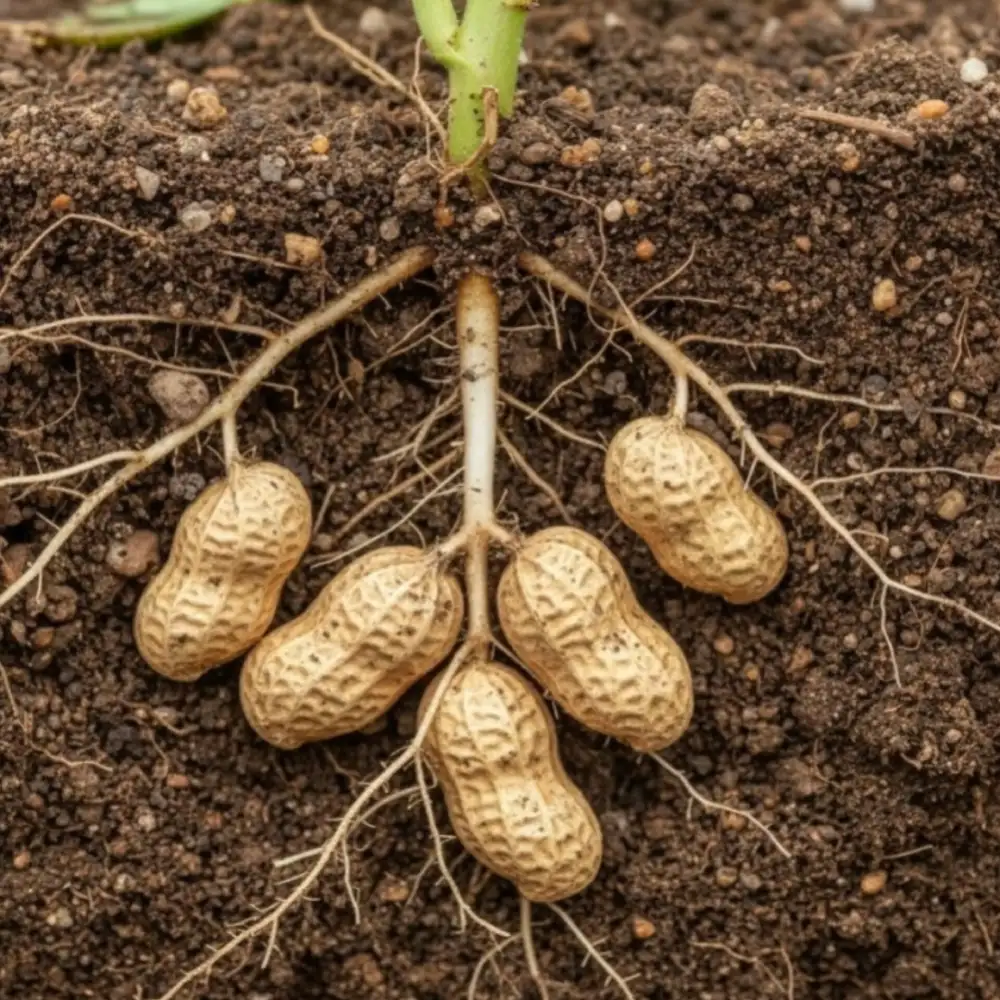
The seed of the peanut plant is contained in underground pods and although labelled a nut, they are in fact edible legume seeds (Arachis Hypgaea) related to lentils, beans and soy. Peanuts are also known as ground nuts, monkey nuts and goober peas.
Peanuts are grown extensively in the USA, India, China, South Africa and Nigeria although they originated thousands of years ago in South America (Peru, Bolivia and Brazil). Peanuts were transported to Europe and Africa by Portuguese and Spanish explorers where they became popular. In Latin America and S/E Asia, peanuts are commonly included in sauces like Satay, in India they are added to salads and stews while in North America they are included in chocolates, cakes, cookies and the iconic peanut butter jelly sandwiches.
Peanuts have long been known as an important crop to include in crop rotation. They contain symbiotic nitrogen fixing bacteria in their root nodules which improve soil fertility. Farmers who include peanut planting as part of their crop rotation can experience up to 3 times higher yield of crops like corn.
Peanuts are an excellent source of plant proteins; however it is not wise to include them in meals for guests without first checking about allergies. Peanuts contain arachin and conarachin, seed storage proteins, which can trigger severe, life-threatening allergic reactions in susceptible people.
A Handful of Facts: What’s In It For Me?
Peanuts are known to promote heart health by lowering the absorption of LDL (bad cholesterol) and so reducing cardiovascular inflammation. Regular consumption of peanuts is linked to enhanced blood flow to the brain, therefore supporting memory and protecting against cognitive decline.
Peanuts have a low glycaemic index which makes them a particularly good snack (in moderation) for managing blood sugar and reducing the risk of type 2 diabetes.
Per 100g, peanuts contain 25,8 g protein, 49,2 g fat (largely mono and polyunsaturated fats in the form of oleic and linoleic oils), 16,1 g carbohydrates and 8,5 g dietary fibre. Their unique combination of protein, fibre and healthy fats helps slow digestion leaving one satisfied for longer, but, as with all high fat products, it is wise to limit the intake of peanuts as part of a well-balanced diet. Peanuts contain over 30 essential vitamins and minerals including folate, copper, niacin (B3), phosphorous and magnesium, so all told, they are really a rather nut-ritious snack!
It is worth noting that peanuts, if not stored correctly, can become contaminated by a species of mould (Aspergillus Flavus) which produces Aflatoxin. Aflatoxins can cause serious health problems that could lead to liver failure and even death. It is EXTREMELY important to note that peanuts must be properly dried and stored in a low humidity, temperature regulated environment.
In some rural villages, peanuts are placed onto corrugated iron roofs to dry. While this is a space saving tactic which helps limit pest access and theft, it is a very unwise practice as any wetting of the peanuts by dew or rain could result in the formation of aflatoxin producing mould.
From Plant to Plate:
A raw planted peanut (seed) germinates rapidly and within 8 days has sent up leafy shoots. The yellow flowers form about 3 months later. Once pollinated, the flowers turn downwards and push stems (or pegs) into the soil where seed pods mature underground – known as pegging.
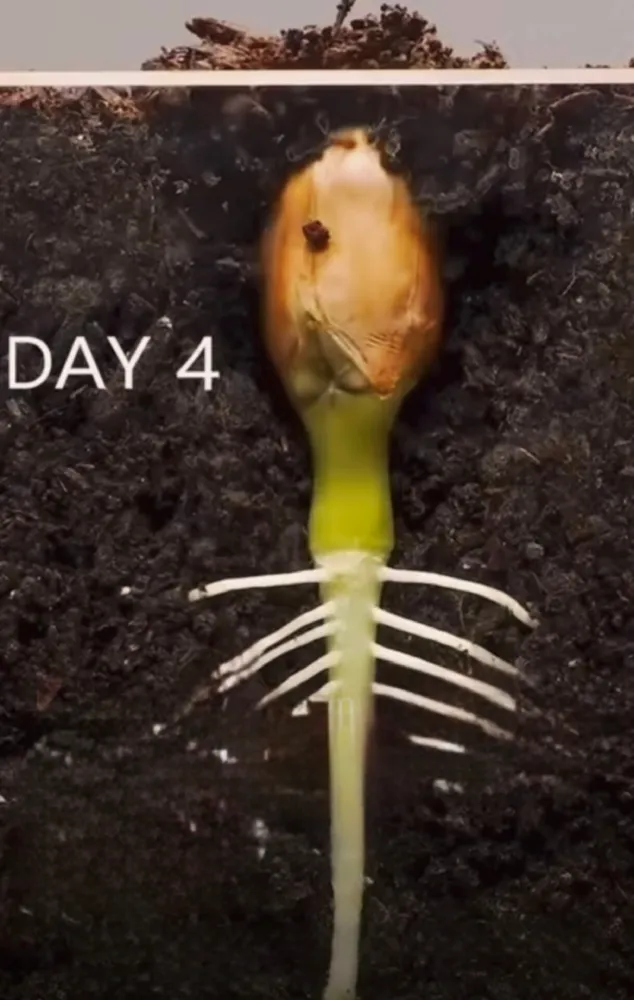
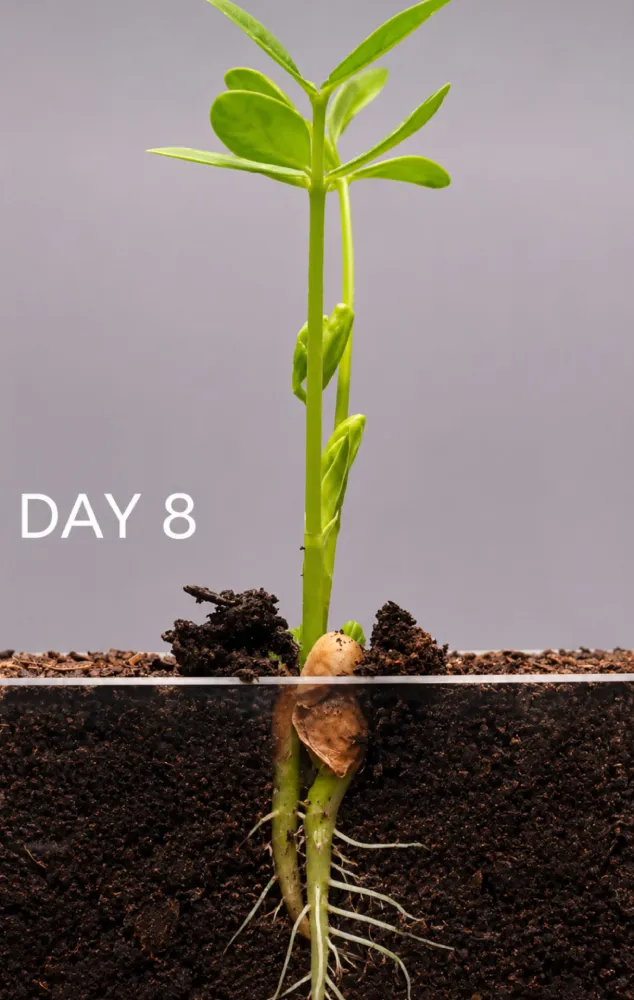
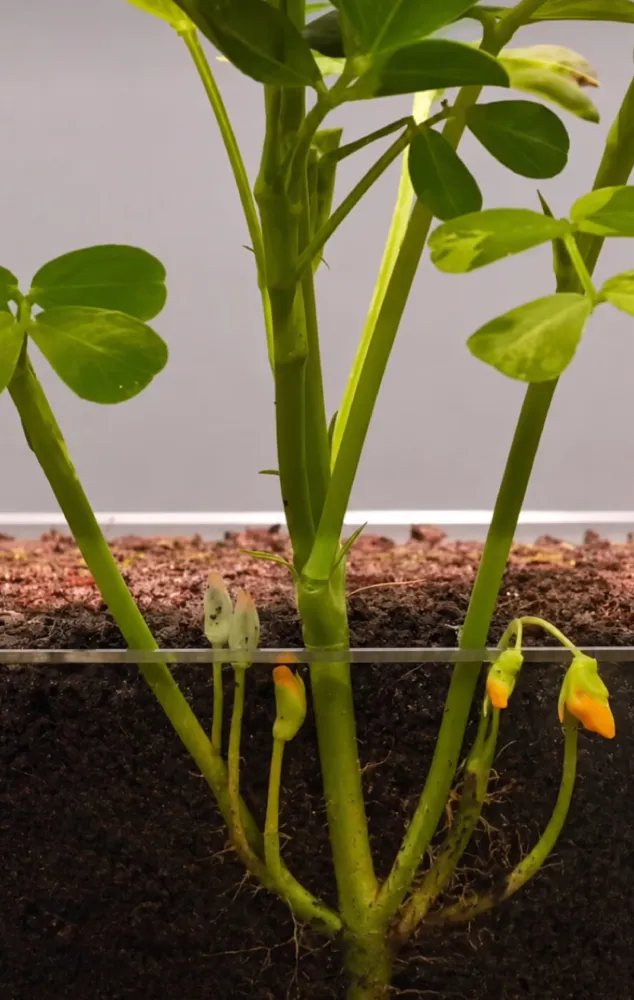
Once the leaves begin to yellow, indicating ripening of the peanuts, it is time for harvesting. Traditionally, the whole peanut plant was pulled by hand, but in modern mechanized farming, a special harvesting machine is used to cut off the main root of the peanut plant, under the soil, just below the level of the peanut pods. The harvesting machine then lifts the from the soil, shakes it to loosen soil, inverts it and leaves the plant leaf side down so that the peanuts are able to dry exposed to air for 3 – 4 days.
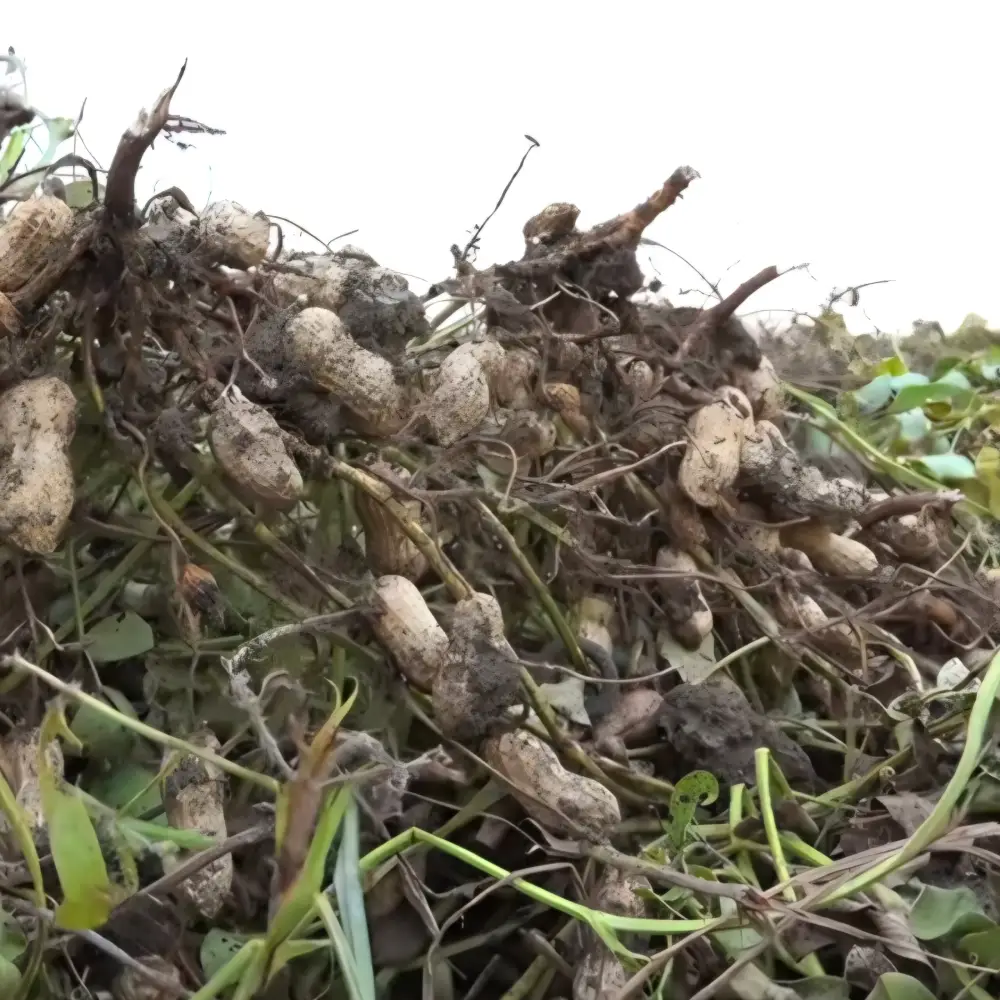
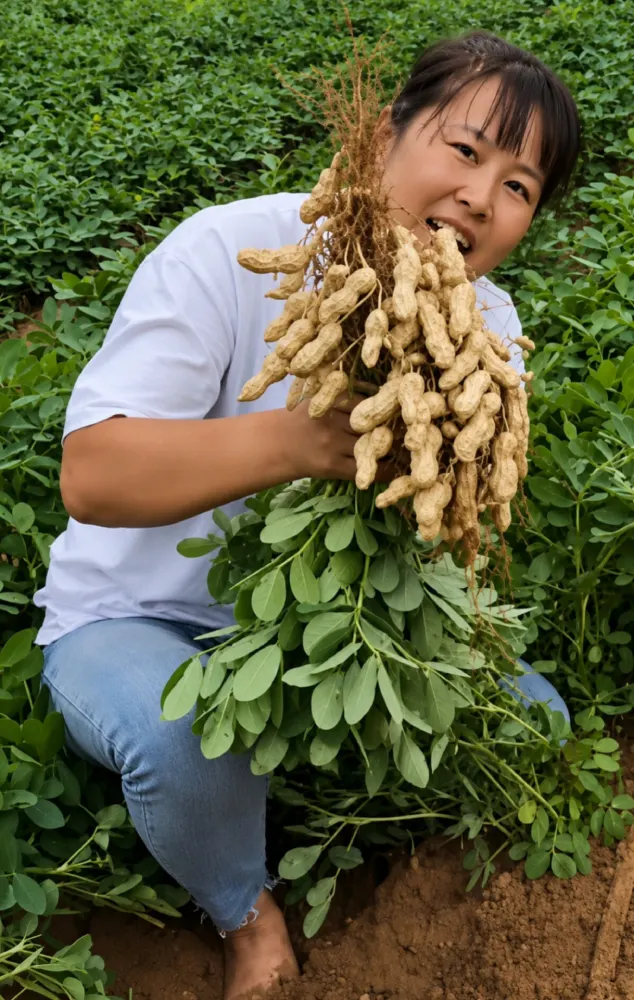
They are then collected, threshed so that the peanut pods separate from the rest of the plant, peanuts are extracted from the shells and either left raw, roasted (and sometimes salted) or ground into peanut butter or peanut flour. Peanut oil is extracted by pressing the peanuts. Roasting of peanuts changes their flavour rendering a rich, more intense flavour.
The plant tops are mulched, fermented and used as fodder. The shells and any roots are ground into meal which is used as animal feed and fertilizer.
Spread the Love: Peanut Butter

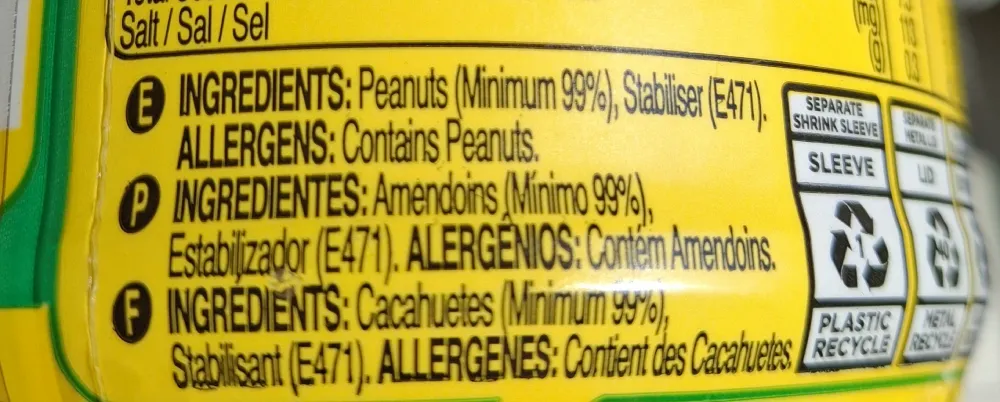
Do you ever read the label on the jar when buying peanut butter? It really is worth doing. Peanut butter should be made from ground peanuts – nothing more. Check your peanut butter label – does it contain sugar, salt, hydrogenated fats, vegetable oil? Any added ingredients, while they may taste good and add to a smoother mouth feel, are unnecessary and unhealthy. The only major-brand peanut butter that I buy specifies no added sugar or salt. Be label wise – use your eyes!
Nuts about good food!
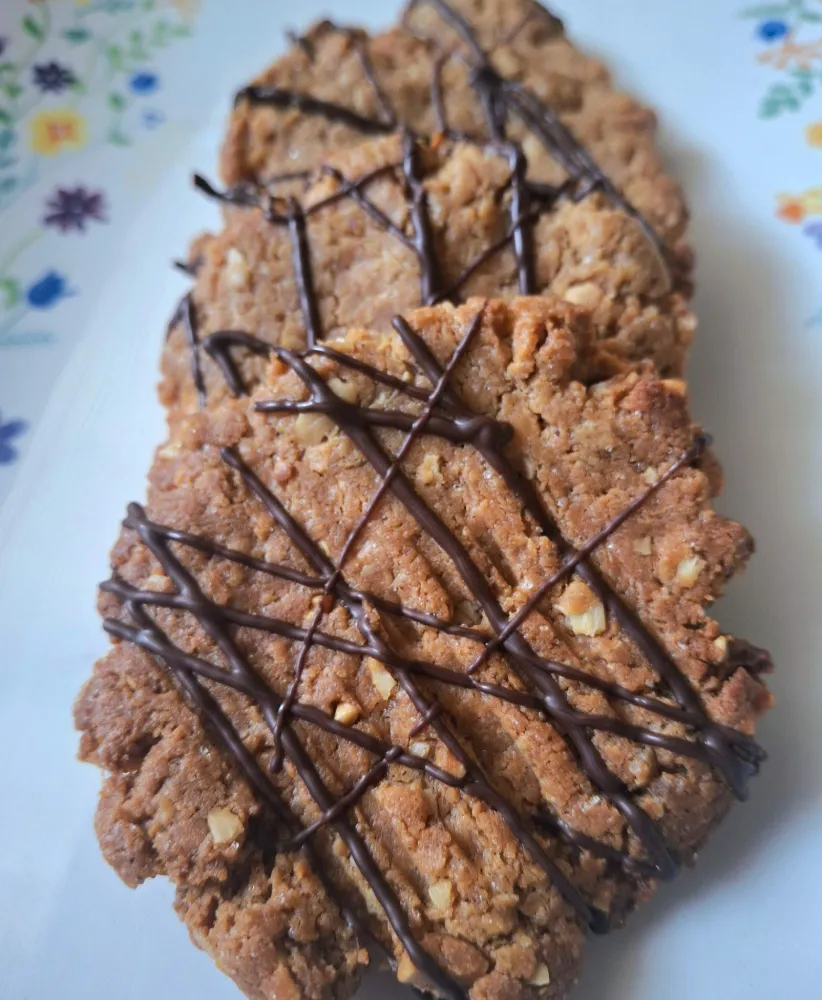
Our free recipe this month is for a cracking good biscuit – peanut perfection! This gluten free, protein rich biscuit makes a perfect energy pick-me-up that is packed with peanut power!
Peanut Butter Biscuits
Makes 12 – 15 Biscuits
Ingredients:
- 1 egg
- 180 ml sugar
- 5 ml vanilla
- 2.5 ml baking power
- 250 ml peanut butter
- 60 ml chickpea/rice/flour/all-purpose cake flour
- 80 ml oats
- 80 ml chopped, roasted peanuts
OVEN 180⁰ C – middle shelf
Large baking sheet, well-greased or lined with baking paper.
Method:
- Line baking sheet with non-stick paper.
- Beat egg and sugar together until light and fluffy. Add peanut butter and
mix well.
Add all the rest of the ingredients together and mix well until a soft
dough forms. - Roll mixture into walnut sized balls, place on lined baking sheet and
squash flat with a fork or flat bottomed, greased glass. - Bake at 180⁰ C for about 12 min.
- Remove from oven and allow to cool and then take off the baking sheet.
Optional: drizzle cooled biscuits with melted dark chocolate as in image.
Store in an airtight container.