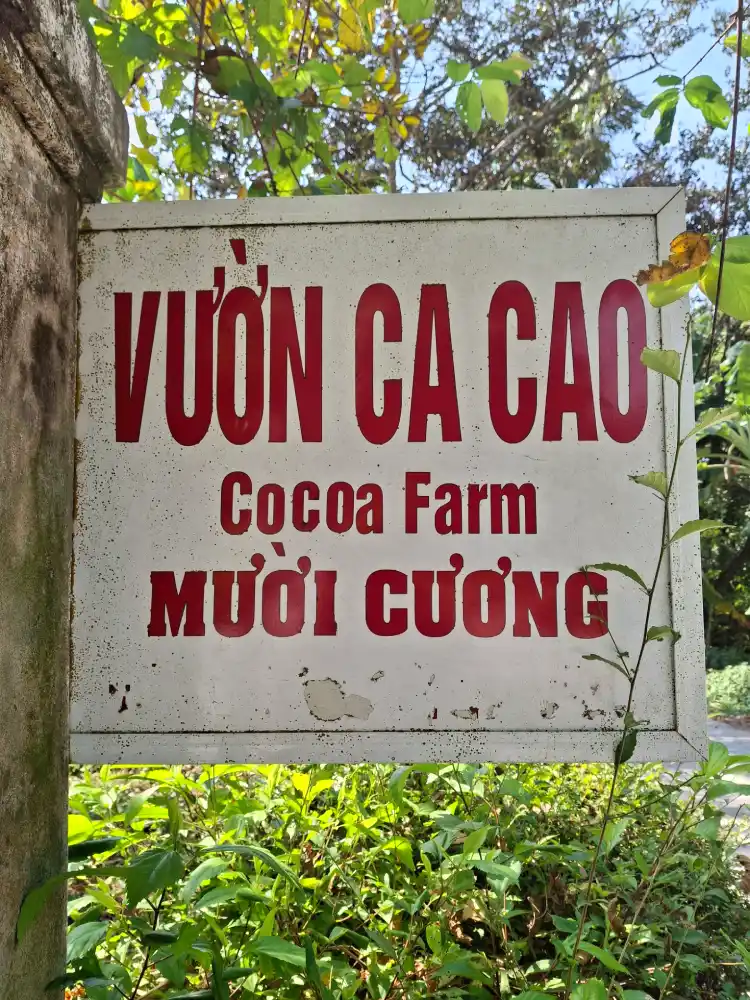
During our almost month long stay in Vietnam in January 2026, we visited a small, family owned cocoa farm “Muoi Cuong” in the Mekong Delta in the South of Vietnam.
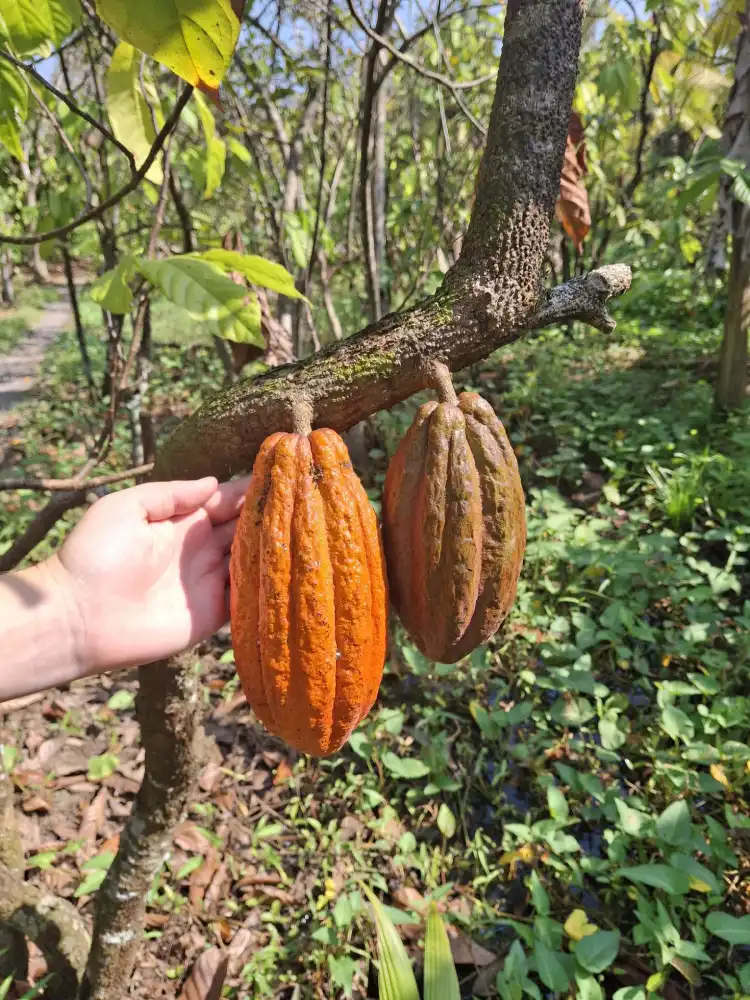
This family run cocoa garden has been manually producing and processing cocoa since 1960 and is situated on just 1 hectare of land containing about 1000 red and green cocoa trees of the Trinitario variety. This small farm yields approximately 2 tons of cocoa yearly.
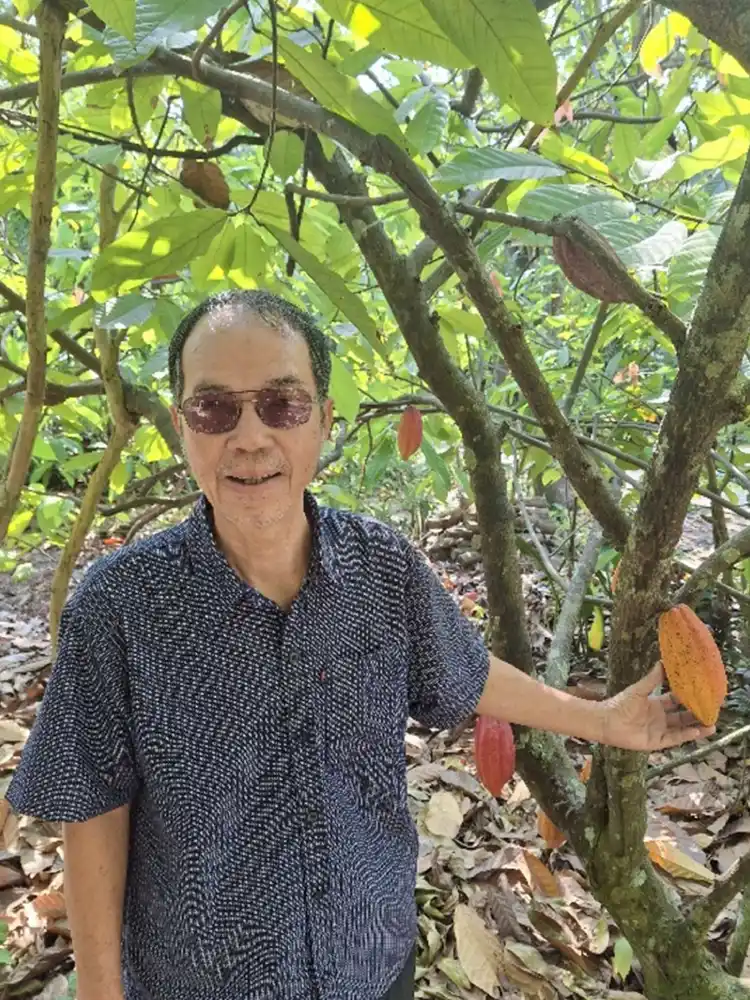
It was delightful to be introduced to cocoa farming and production by Mr Cuong, the owner, after which we strolled through the beautiful cocoa grove soaking up the peace and beauty – accompanied by an adorable little kitten who purred in my arms the whole way.
Below is an image of Mr Cuong in his cocoa grove. Some of the information shared in this blog is from the handout given to us by Mr Cuong when we visited his garden.
While the Ivory Coast is currently the number one cocoa producer, producing 40% of the world’s cocoa, Vietnam is an emerging, high-quality cocoa producer, recognized by the International Cocoa Organisation (ICCO) as a producer of “Fine Flavour Cocoa”. Although its total production volume is small (roughly 1,200–5,500 metric tons annually), its Trinitario hybrid beans are highly regarded for their fruity flavour and high quality.
This month, as a tribute to the month of love that we have just experienced, I have shared a truly delicious, decadent yet easy to make chocolate brownie recipe which will melt your heart! Keep reading to find this irresistible recipe.
Crazy about Cocoa: What’s in it for me?
Cocoa is a nutrient dense superfood. Eaten unsweetened with minimal processing ensures the best nutrient retention. Cocoa contains carbohydrates (including fibre), protein, and a host of minerals including potassium, phosphorous, magnesium and iron.
We all know that a few bites of really good chocolate can help improve our mood, but scientists now attribute this to the Theobramine and Caffeine found in dark chocolate with a 85%+ cocoa content.
Cocoa contains Flavonols known for their antioxidant and anti-inflammatory properties, strongly linked to lowering the risk of cancer as well as helping to reduce asthma symptoms.
A study in The American Journal of Clinical Nutrition found that moderate consumption of high-cocoa chocolate significantly reduces the risk of heart disease. Cocoa appears to help improve blood flow to the brain, reduce blood pressure and so lower the risk of heart attack and stroke – largely attributed to the polyphenols (naturally occurring antioxidants) in cocoa.
So while chocolate contains significant quantities of sugar and fats, taken in moderation it definitely seems to have worthwhile health benefits.
Chocolate comes from cocoa, which comes from the fruit of a tree. So, can chocolate be considered a fruit?
Cocoa Processing
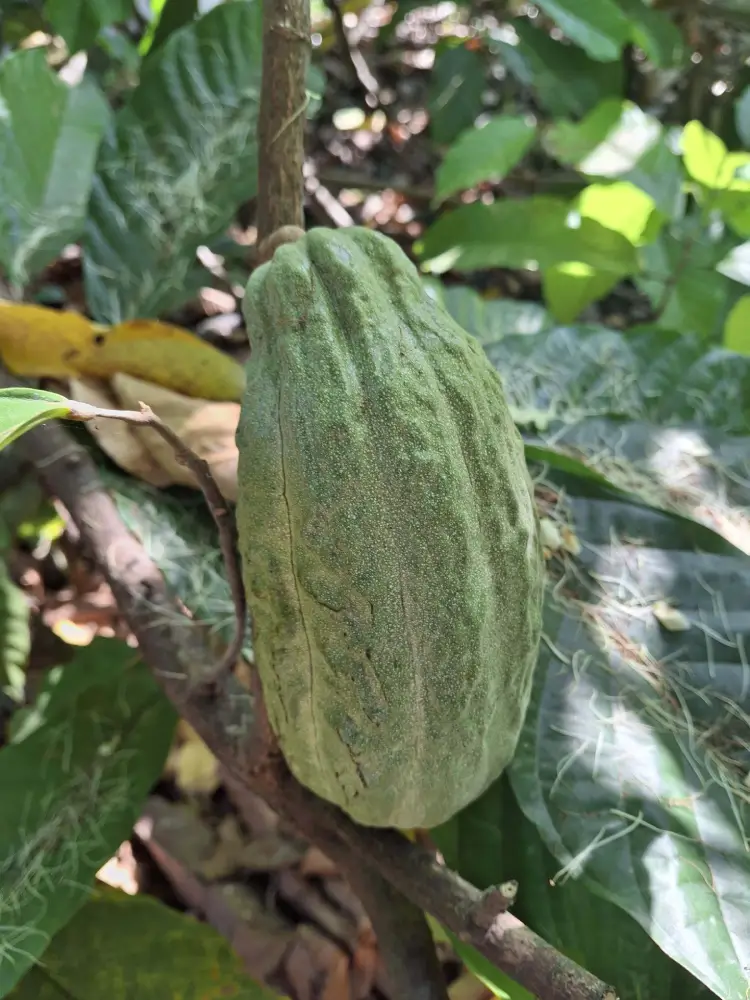
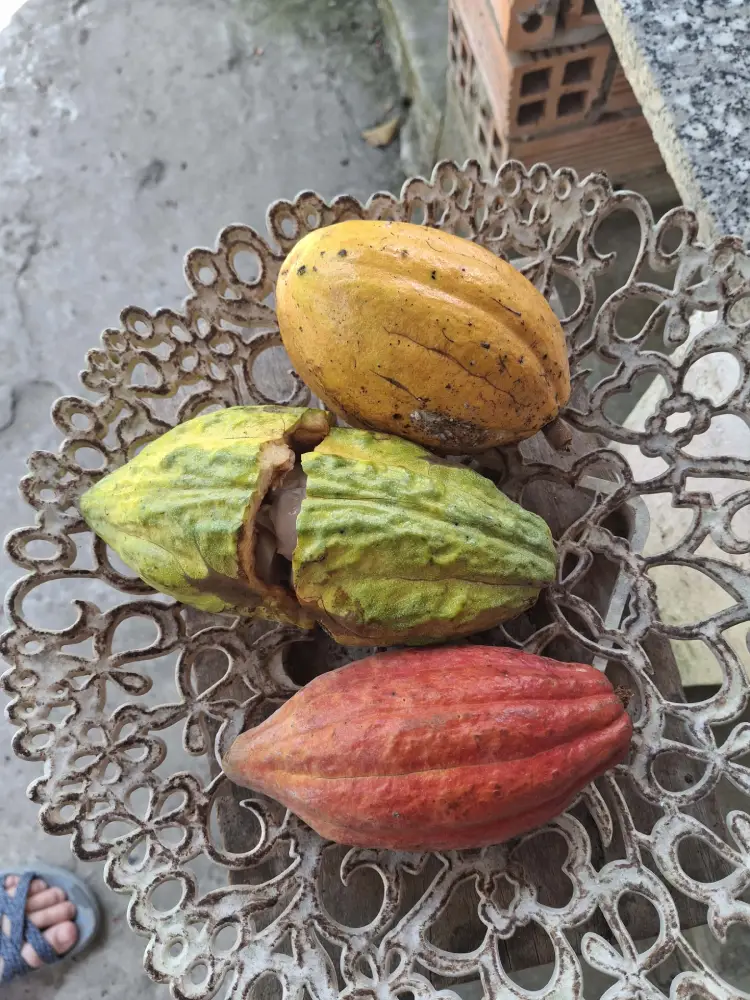
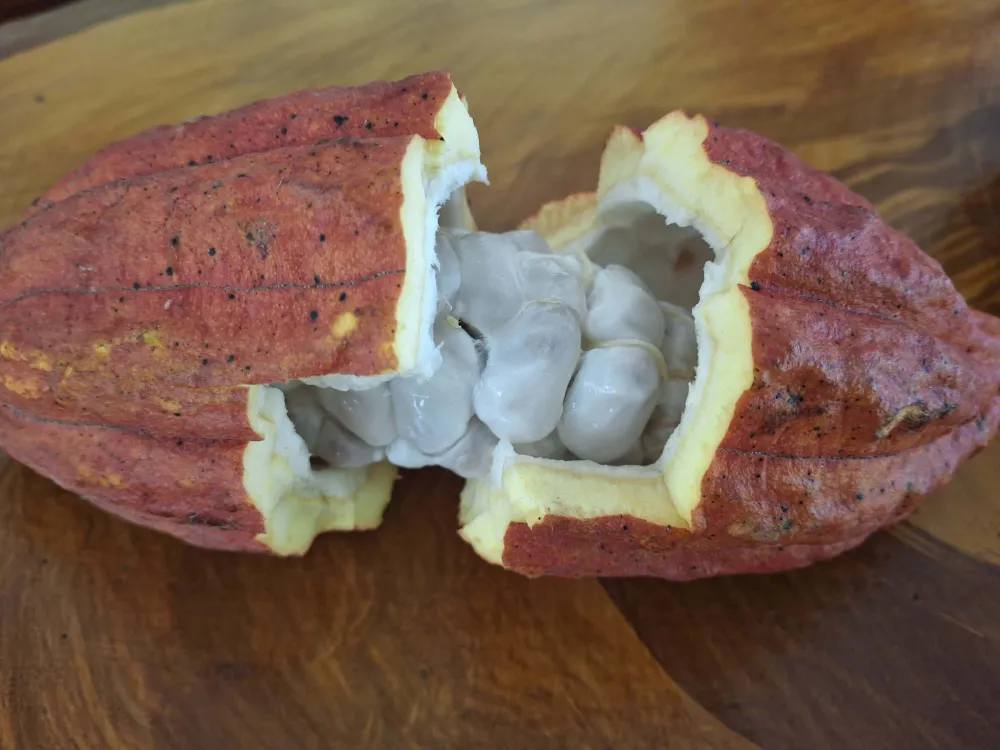
Cocoa trees, native to the Amazon basin, grow in hot, humid climates. Trees take 3 – 4 years to mature sufficiently to produce fruit. Trees produce up to 70 pods annually which can be harvested throughout the year. Pods start off green, and turn yellow or red once ripened. At the “Muoi Cuong” Farm, ripened pods are harvested every 10 days.
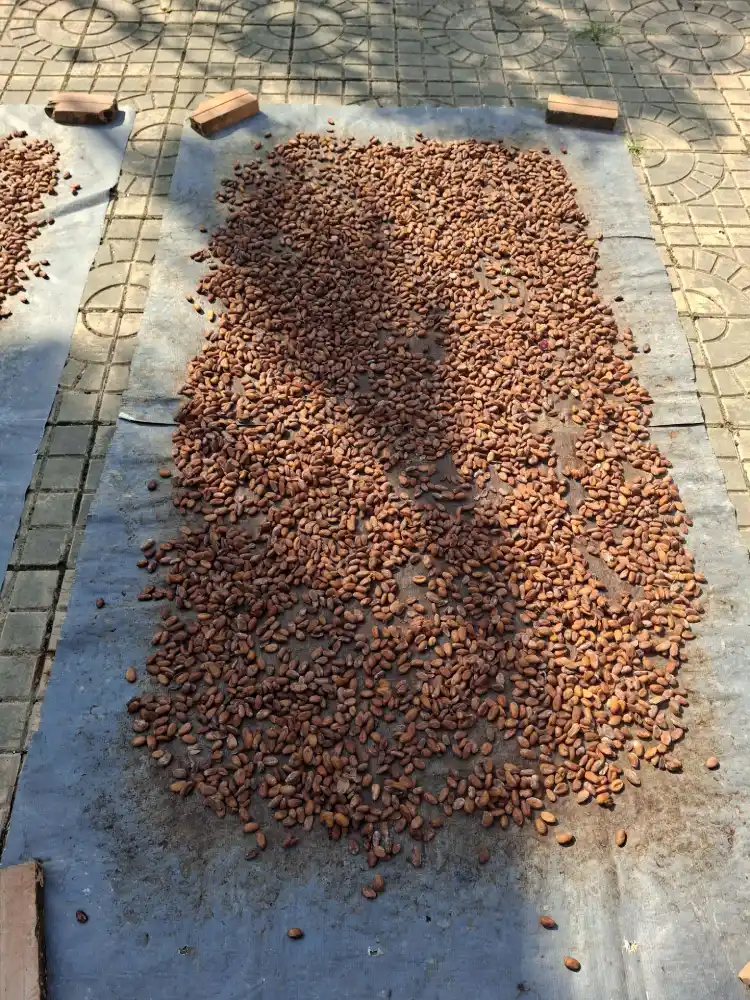
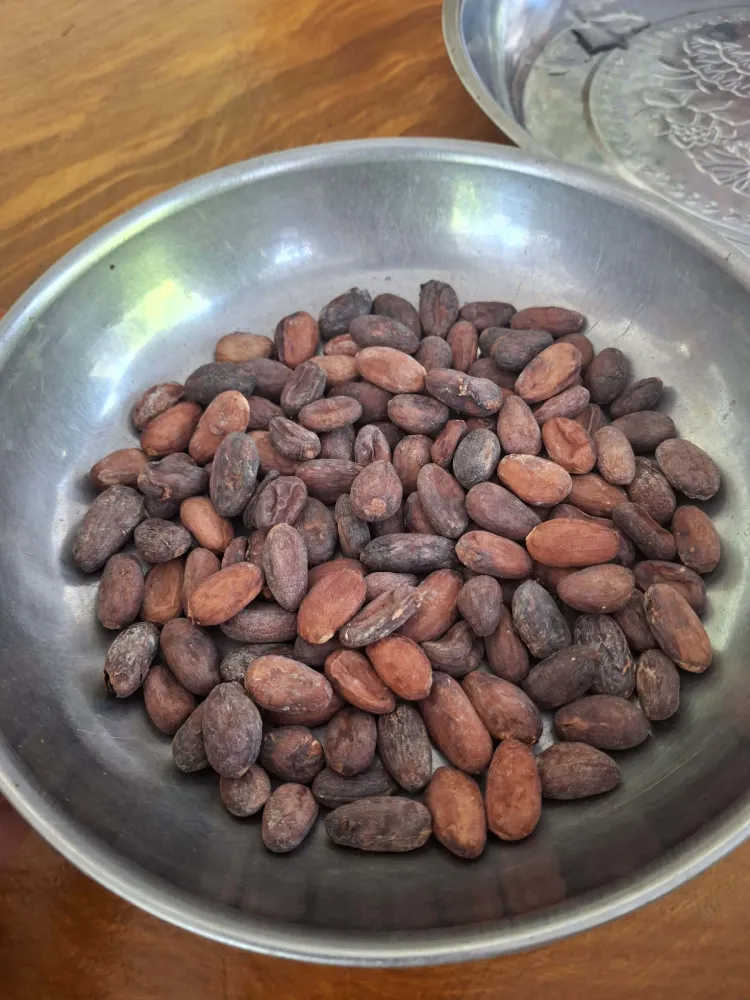
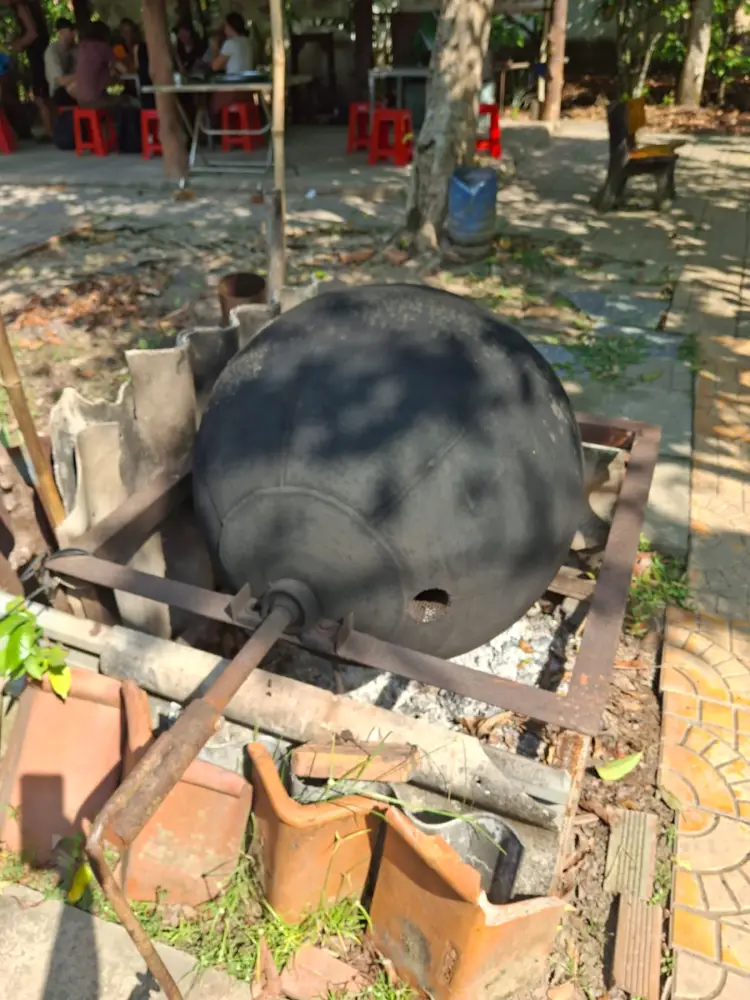
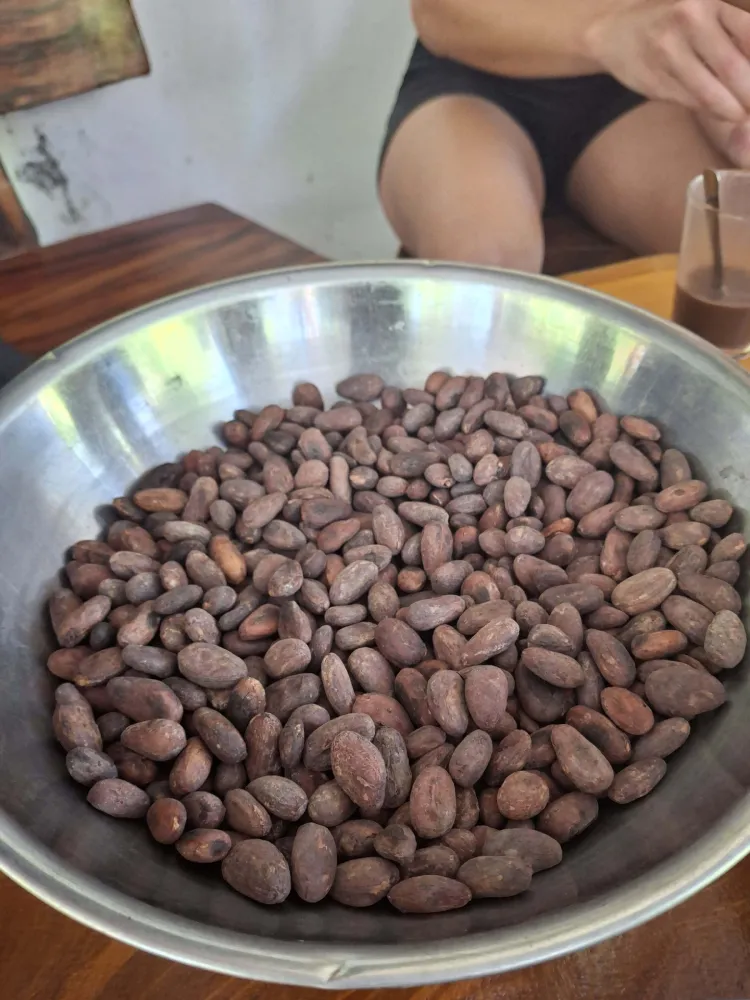
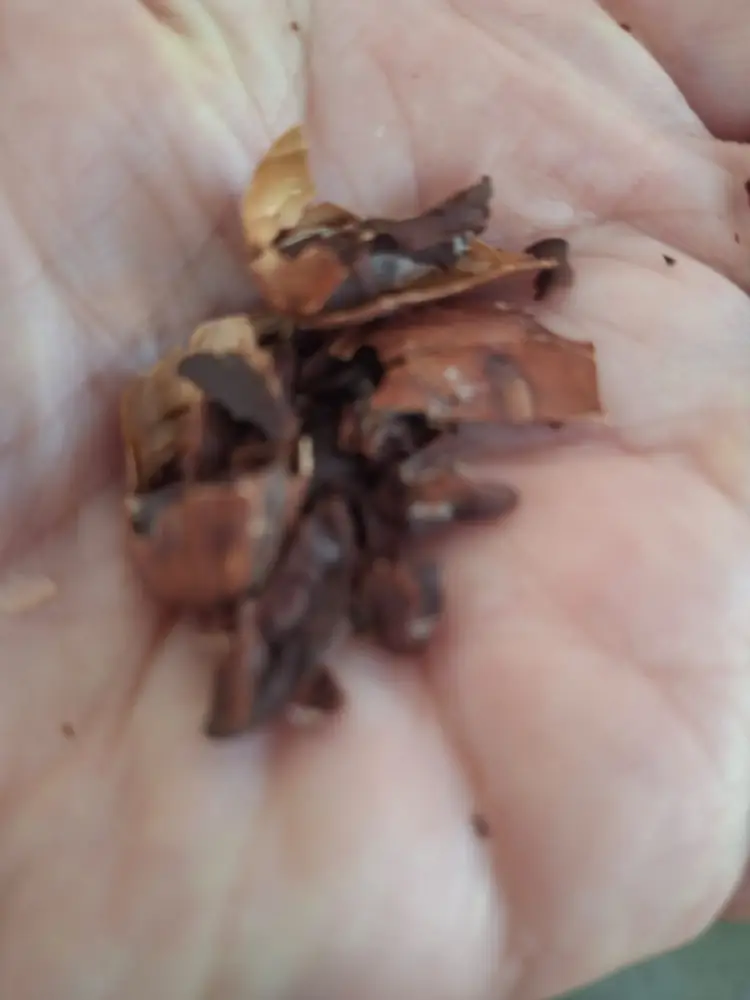
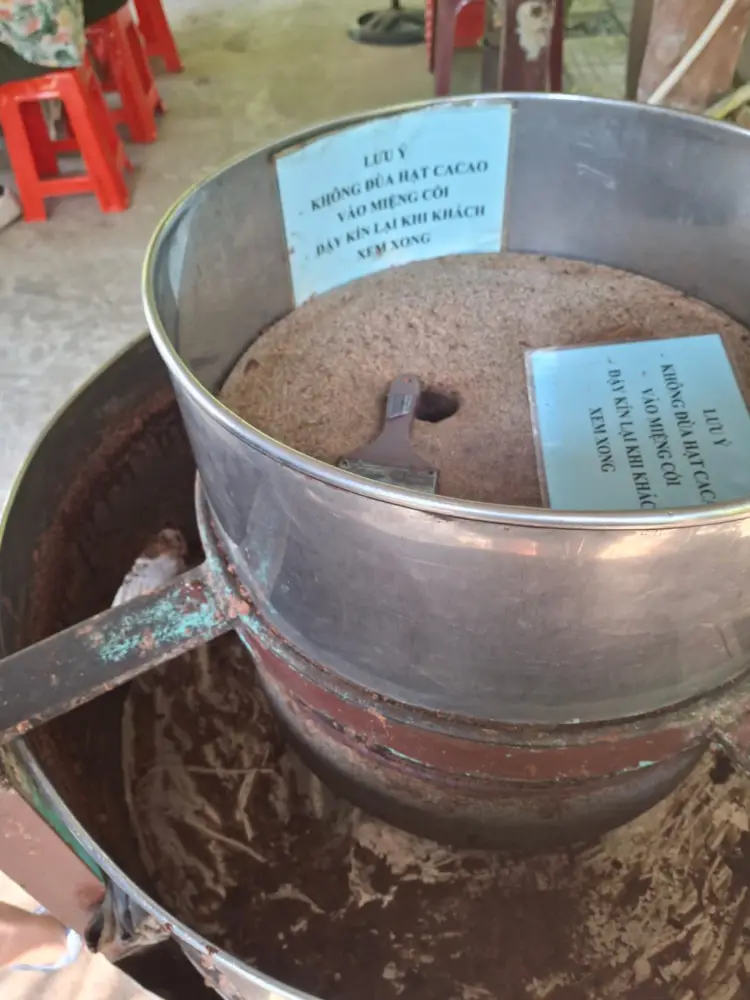
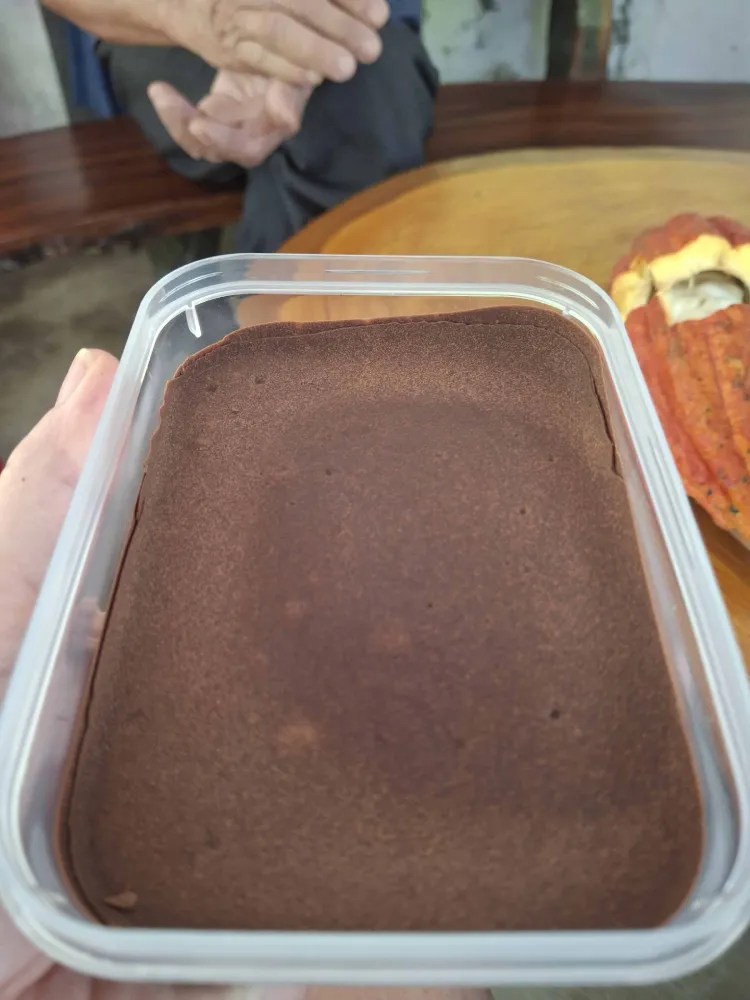
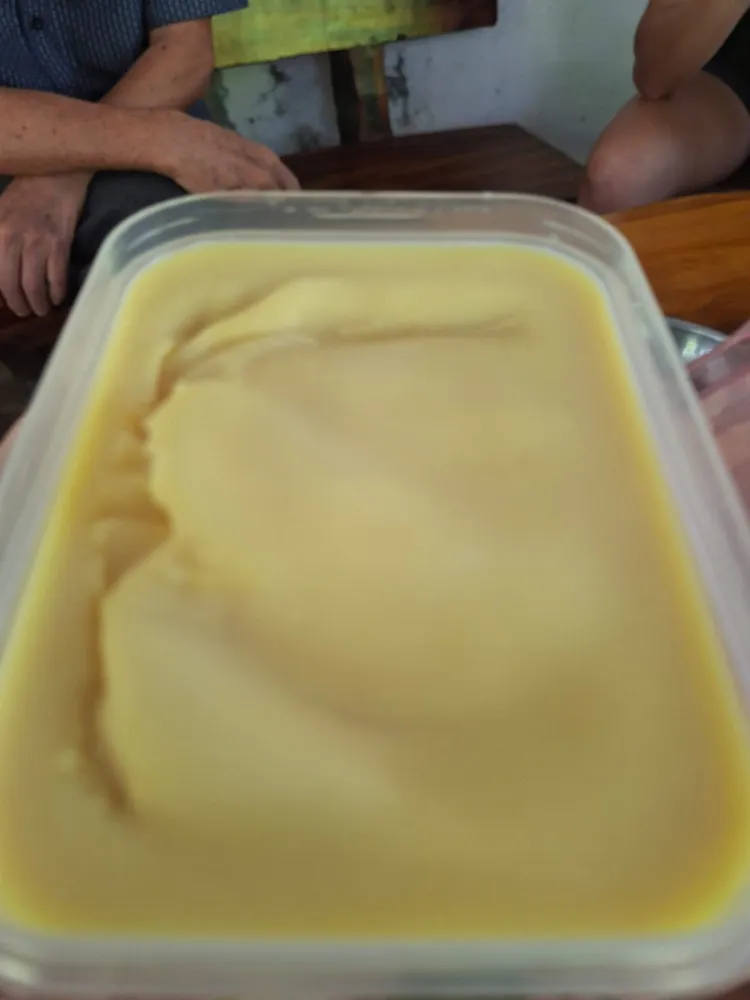
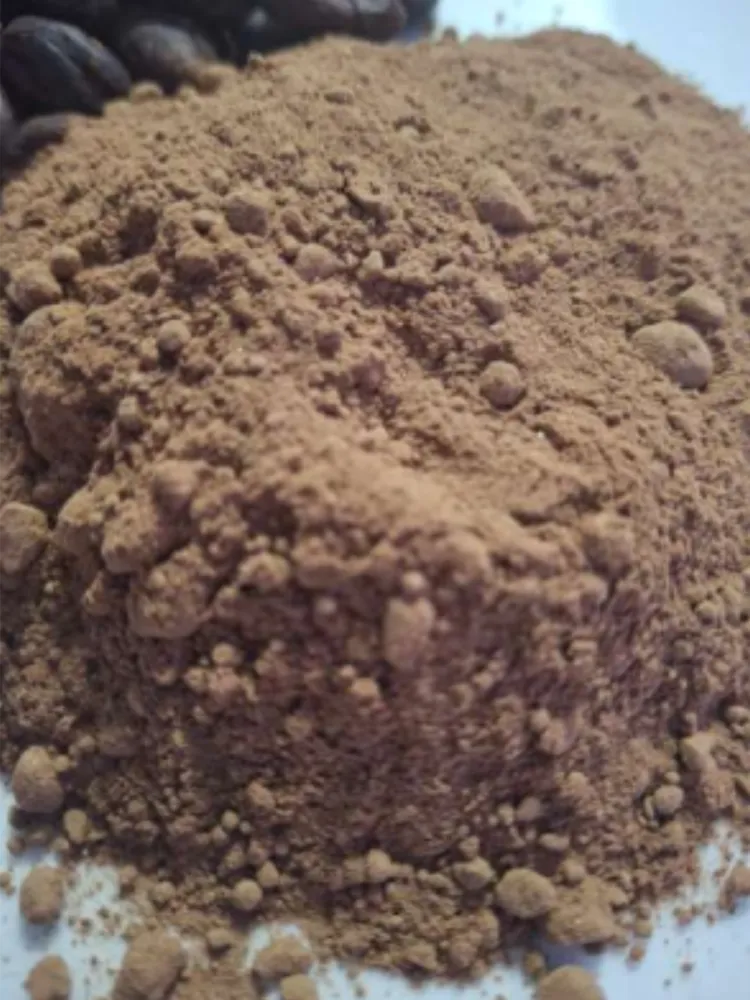
Once harvested the steps to processing the beans at the farm we visited are:
Cocoa: melting hearts:
Our free recipe this month makes a decadently delicious yet easy to produce treat ideal for treating yourself you as a delectable teatime treat or dessert.
Quick‘n Easy Chocolate Brownies
Sift together:
- 500 ml flour
- 80 ml cocoa
- 5 ml baking powder
Add to sifted ingredients:
- 500 ml treacle/dark brown sugar
- 125 ml chopped nuts (Pecan, Hazelnut, or Almond) – optional ingredient
In a separate bowl, mix together
- 250 ml oil
- 5 eggs
- 10 ml vanilla essence
- 15 ml icing sugar for dusting over the cooled, cooked brownies

Method
- Mix the wet and dry ingredients together thoroughly.
- Line a 9 x13 inch baking pan with greaseproof paper allowing a generous overlap on 2 sides to create ‘handles’ and generously spray the shiny side with Spray and Cook.
- Bake at 180ºC for 25 – 30 minutes.
- Sieve over a little icing sugar when brownies are cool.
- Cut into squares while still warm.
NOTE: The cooked brownies are quite sticky, so be sure to line the tin properly with ‘handles’ of greaseproof paper on two sides to aid getting the brownies out of the tin!