Cinnamon is a common spice and mainstay in many kitchens. This popular spice, with its warm, sweet taste and delicate aroma comes from the inner bark of bushy, evergreen trees in the genus Cinnamomum.
Cinnamon has a long history of usage by humans and up until the 16th Century, it was more valuable than gold! In Ancient Egypt, cinnamon was used in embalming and religious practices. In Medieval Europe, it was valued as a luxury trade commodity. Later, this spice became the most profitable spice for the Dutch East India Company. One wonders how many hundreds of tons of cinnamon travelled past The Cape of Good Hope on its way to Europe
Did you know that there are a few types of cinnamon, with two main varieties commonly available for culinary use? When ground into a powder, these two varieties become indistinguishable from each other and commonly marked under the general banner of cinnamon – one rendering a superior, healthier product than the other.
What’s the difference?
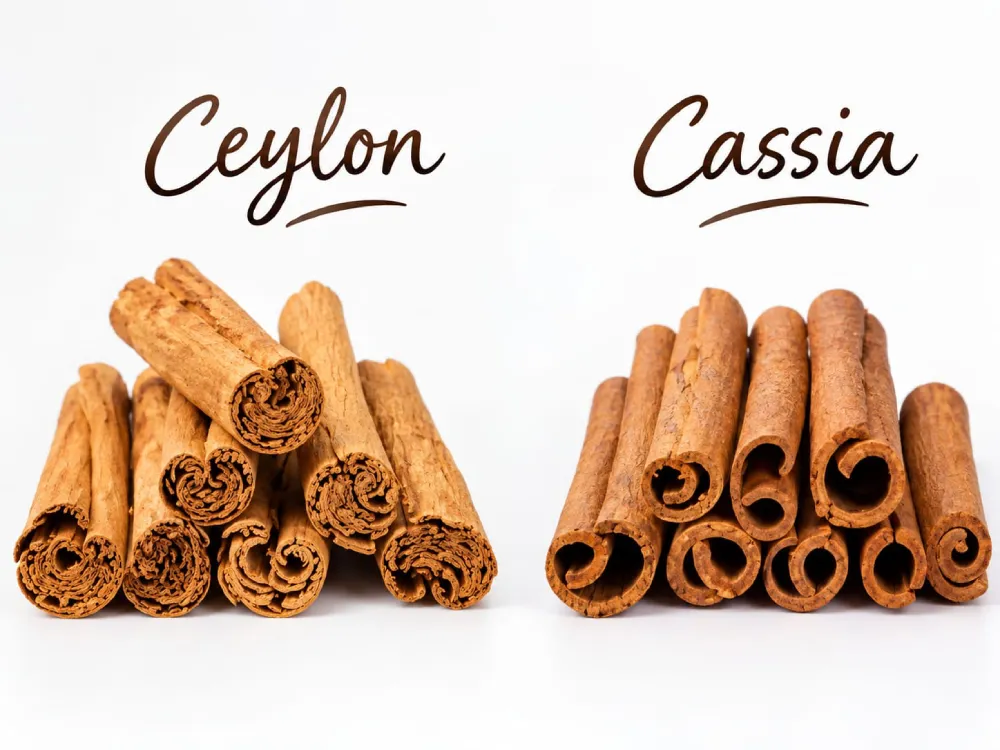
Ceylon cinnamon (Cinnamomum Verum) is considered ‘true cinnamon’. Native to Sri Lanka (known as Ceylon when under British rule), this evergreen bush like tree only grows to about 7 meters tall. It’s inner bark, once removed and dried is thin, smooth and friable and renders a light, sweeter flavour. Commercially available sticks of Ceylon cinnamon consist of tight ‘straws’ or quills of thin, friable bark. This more expensive product is not always easy to find and when used in ground form, is almost indistinguishable from its cheaper cousin Cassia cinnamon.
Cassia cinnamon (Cinnamomum Aromaticum) is native to China, although cultivated widely across Asia today making it a commonly available, affordable variety. These evergreen trees grow to around 15 meters and the inner bark is darker in colour and form a It has a stronger, more pungent flavour, and significantly higher coumarin content than Ceylon cinnamon. Coumarin is a chemical compound found in some plant species, with relatively high levels detected in Cassia cinnamon. Commercially available Cassia cinnamon sticks consist of a thick roll of bark with a hollow centre, with a more pungent, strong flavour.

Ceylon cinnamon sticks are lighter in colour, consist of several thick soft, flaky layers of bark to form each stick.
Cassia cinnamon forms a hard, dark red-brown stick consisting of one thick, firm layer of bark that curls and forms a hollow centred stick.
From Bark to Bake: Cinnamon production
The basics of cinnamon production are similar for both main culinary types:
Ceylon cinnamon
grown mainly in Sri Lanka, is usually farmed sustainably, carefully pruning off limited branches every year, to prolong the yield life of each tree to about 50 years. Farming Ceylon cinnamon is labour intensive, often carried out by small-hold farmers who work tirelessly to cut the branches, soak to soften and then scrape off the outer rough bark by hand. The inner bark is then peeled, by hand, from the stems/branches, and in the case of Ceylon cinnamon, these thin layers of bark are layered together before drying by placing smaller pieces inside larger pieces of bark. As this thin, friable inner bark dries, it curls into the multi layered sticks (true cinnamon) so commonly used as an ingredient. Lastly, sorting and bundling is done, the bundles are trimmed, bulk packed and shipped for processing.
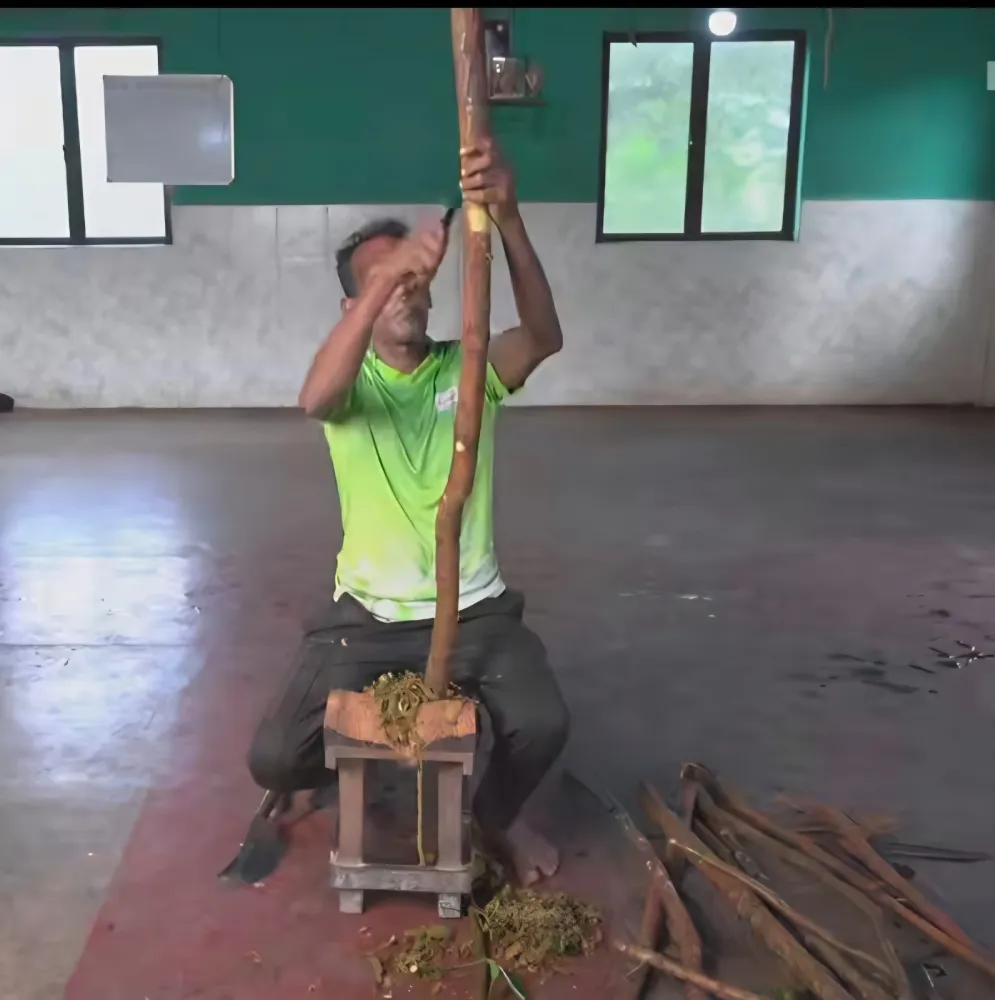


Cinnamon sticks are usually sorted by hand into bundles of the same thickness and grade.
These bundles are then trimmed to sellable lengths and packaged. Any uneven sticks and offcuts of cinnamon are ground into powder.
All Ceylon cinnamon is officially graded using the strict SLS 81 Sri Lankan standard – primarily by the diameter (thickness) and appearance of its rolled quills (sticks). Thinner quills indicate younger bark, finer texture, and a sweeter, more delicate flavour.
Main Ceylon Cinnamon Quill Grades

Alba cinnamon is the gold standard of cinnamon quills (original image from Druera Cinnamon Blog)
Cassia Cinnamon
is more commonly grown across Asia and is farmed on a large scale. Harvesting involves cutting down the whole tree, requiring ongoing planting to maintain supply. The inner bark is thicker, has a more robust flavour, richer red brown colour and contains far higher coumarin content than its cousin Ceylon cinnamon.

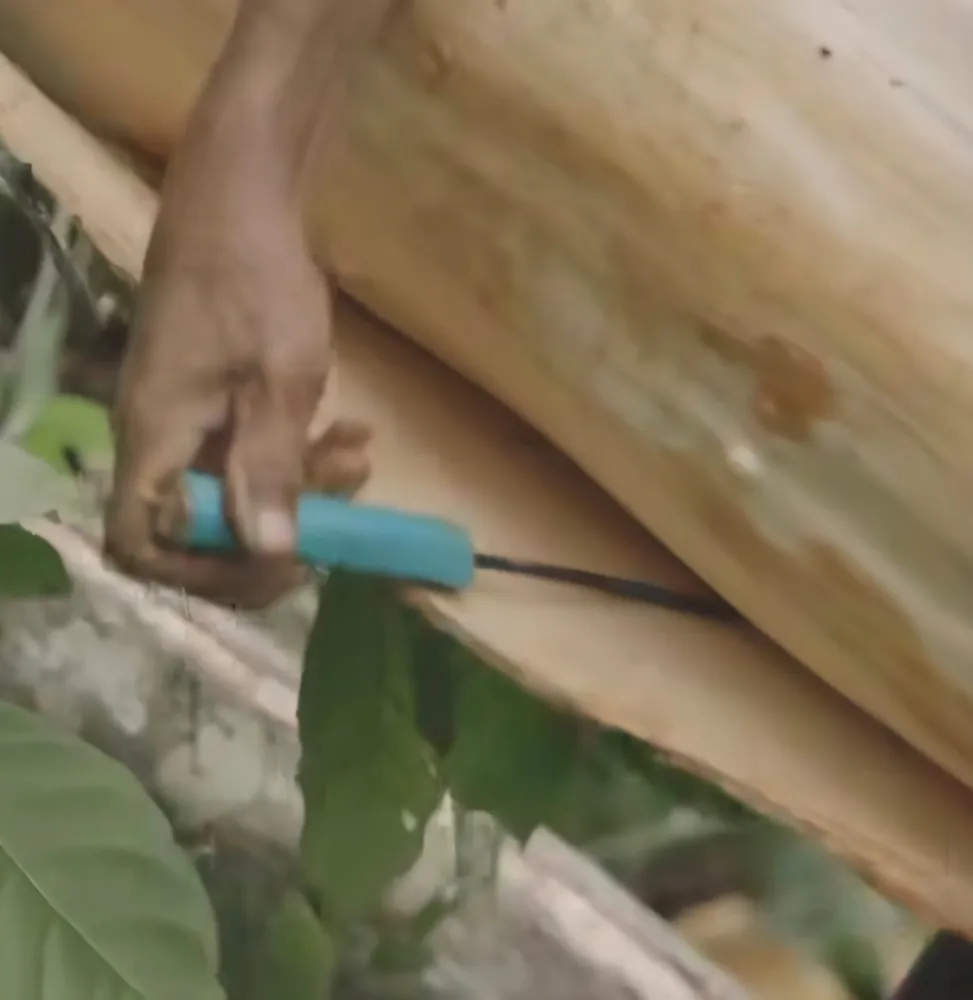
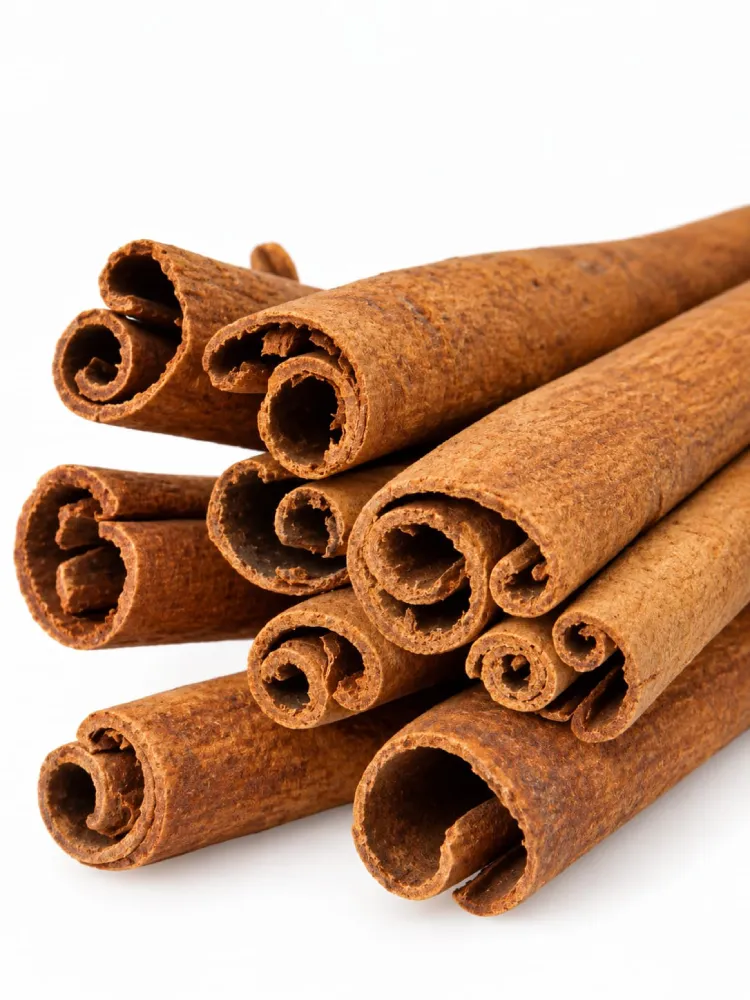
Grading of Cassia cinnamon sticks is not formally regulated and centres around its visual presentation (how much rough outer bark has been scraped off), cut uniformity and volatile oil content. Premium grade Cassia cinnamon has a uniform thickness and length, no visible outer bark remaining and is double curled as in the image above. During our travels in Vietnam early in 2026, Cassia cinnamon was widely available at markets and is inexpensive.
When Cassia cinnamon does not meet the aesthetic requirements for whole retail sticks, it is graded for bulk, industrial use, or spice-grinding factories
Spice, Spice Baby: What’s in it for me?
Both commercially available types of cinnamon are rich in antioxidants and polyphenols and have anti-inflammatory and anti-microbial properties. There is ongoing research into its health benefits, but studies appear to show that Cassia cinnamon supports blood sugar regulation (especially in type 2 diabetes as it delays gastric emptying). Current studies are focused on determining the effectiveness of cinnamon in preventing Alzheimer’s disease and limiting hardening of artery walls.

It is important to note that coumarin (from Cassia cinnamon), if consumed in large doses, can potentially be dangerous to health. Consumption of high levels of Cassia cinnamon can adversely affect one’s liver, prolonged use is discouraged
for those with preexisting liver conditions. While small amounts are safe, large amounts of Cassia cinnamon over a long time can cause liver damage
However, Ceylon cinnamon has mere traces of coumarin, so is far safer for those with liver conditions.
Start checking the labels on cinnamon, more upmarket stores are starting to differentiate on the packaging to help consumers make wise choices.
Don’t go baking my heart: Uses of cinnamon
Most things nice, start with spice!
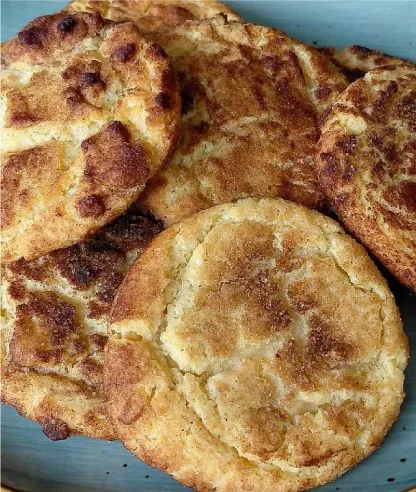
Our free recipe this month is for a dangerously delicious Snickerdoodle – a favourite American cookie. These soft, buttery cinnamon-sugar cookies have a deliciously light, chewy centre with a gently crisp cinnamon sugar coating. It’s impossible to eat just one!
Snickerdoodles
Makes 15 – 20 biscuits
Ingredients:
Snickerdoodle Dough:
- 680 ml all-purpose flour (2 ¾ cups)
- 10 ml cream of tartar
- 5 ml bicarbonate of soda
- 2,5 ml salt
- 250 g butter – just softened
- 375 ml sugar (1 ½ cups)
- 2 eggs
- 5 ml vanilla
Cinnamon Sugar Coating:
- Mix together in a smallish bowl –
- 80 ml sugar
- 10 ml cinnamon
Oven: 180ᵒ C – middle shelf.
Large ungreased baking sheet.
Method:
- Preheat oven to 180ᵒC
- Beat butter and sugar together (creaming method) until light and fluffy in a stand mixer or use a hand mixer. Add eggs and vanilla and blend well.
- Slowly add flour, cream of tartar, bicarb and salt, mixing well between each addition.
- Use a small cookie scoop, or a spoon, to scoop out walnut sized portions of dough. Shape into a sticky ball. Roll each ball in the cinnamon sugar mixture – twice.
- Place the coated dough balls onto the ungreased baking sheet – leave
enough room for cookies to spread by almost double as they cook (do not squash down- they will spread on their own). - Bake at 180⁰ C for about 8 – 10 minutes.
- Remove from oven and allow to cool for a few minutes before moving cookies to a wire rack
to cool.
Store in an airtight container.