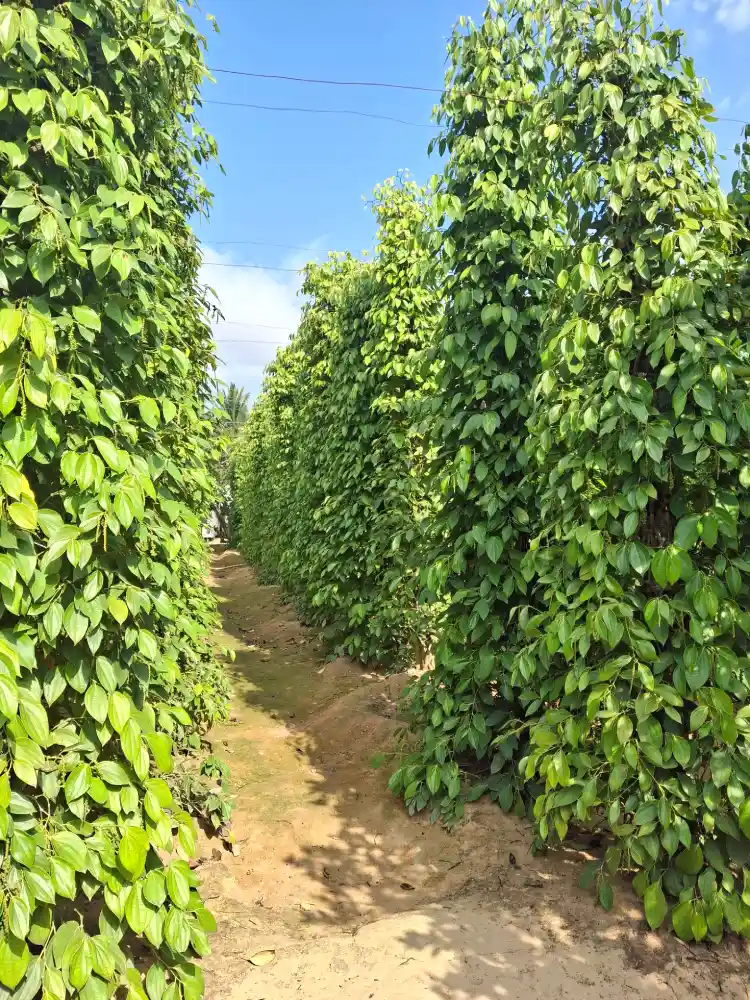
Vietnam is currently the world’s leading pepper producer and exporter, followed closely by Brazil, Indonesia and India. While on a recent trip to Vietnam’s Phu Quoc Island, we were privileged enough to visit two pepper farms where we learnt about the production of the “King of Spice”: pepper.
Black pepper, also referred to as ‘Black Gold’, is a boldly flavoured spice commonly found in cuisine around the world. Available whole, cracked or ground, most cooks prefer to use freshly ground pepper in their cooking to maximize the heat and bold flavour that pepper adds to dishes.
Black pepper (Piper Nigrum) is native to Malabar on the Western coast of Southern India. This perennial, ivy like, climbing vine uses either trees or man-made structures to support itself in its quest for sunlight. It has been cultivated for its fruit since ancient times and is now the most widely traded spice in the world. Apart from its culinary appeal, black pepper has been used since antiquity as a traditional medicine.
Black pepper was first introduced to the West after the conquest of the known world by Alexander the Great (4th century BCE). So precious was pepper in ancient times, that it was weighed (like gold) and used as currency to pay taxes, tributes, dowries and rent. In ancient Rome, the use of black pepper became a status symbol of fine cooking. This spice was so popular that it helped fuel the age of Exploration (AD 15th Century) and was one of the driving forces that motivated Christopher Columbus to brave the seas in search of an alternative route to source it.
Black pepper is not to be confused with Chili pepper which is native to the Americas. Chili pepper was introduced to Europe as a substitute for rare black pepper due to its unique biting flavour and the heat it also introduces to dishes.
Pepper Processing
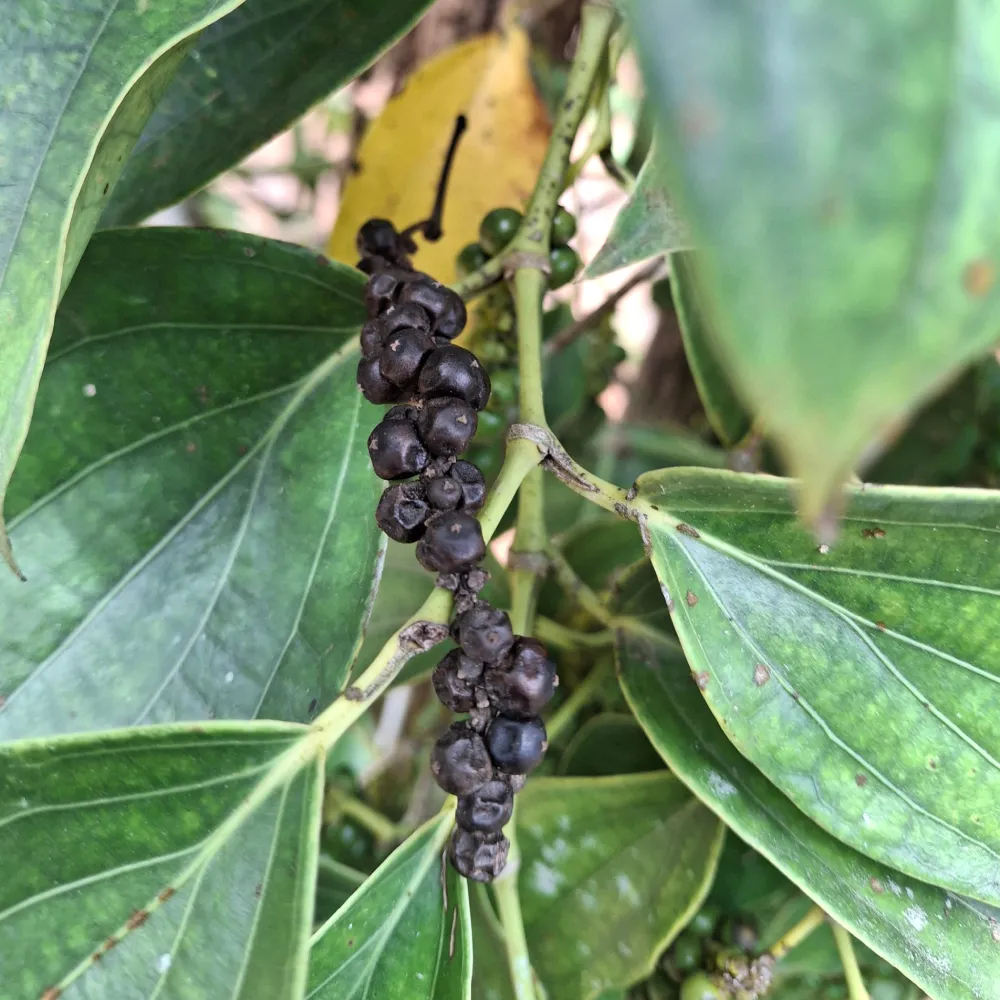
The berry like pepper fruit (known as drupes) grow in clusters called spikes. A dried drupe is called a peppercorn. Pepper is classified as green, black, red or white depending on when it is harvested and the processing that it is subjected to.
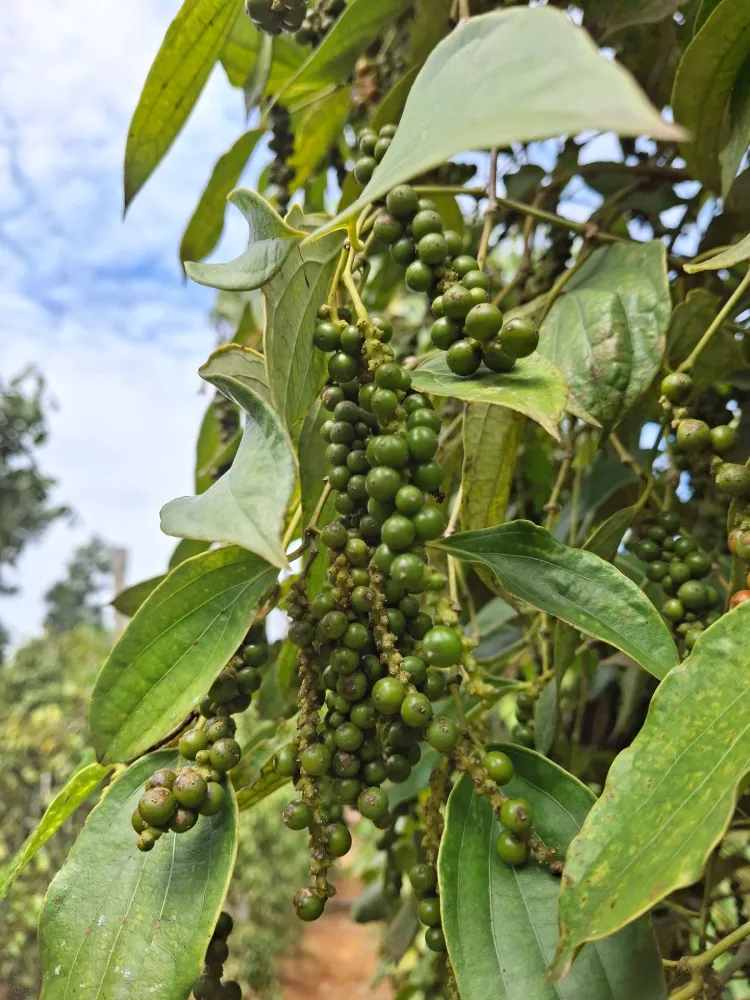
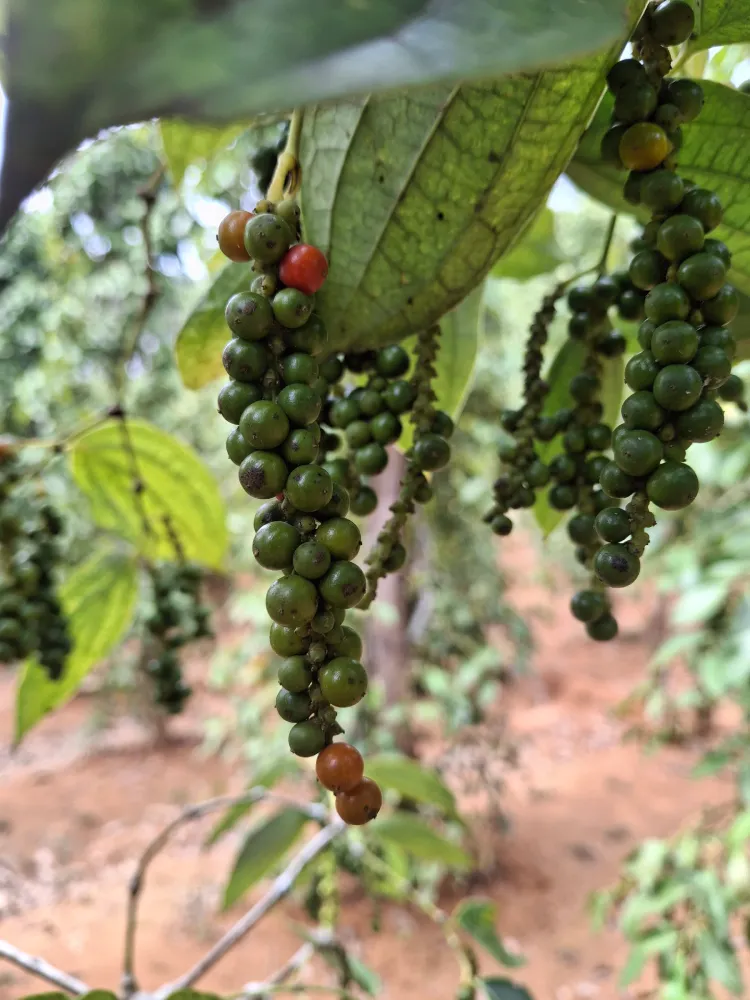
Spikes of green drupes are picked from the vines and left to ferment for a few days. They are then sundried until they shrivel into black peppercorns. The dried drupes are then separated from the stems by mechanical shaking and the stems are discarded.
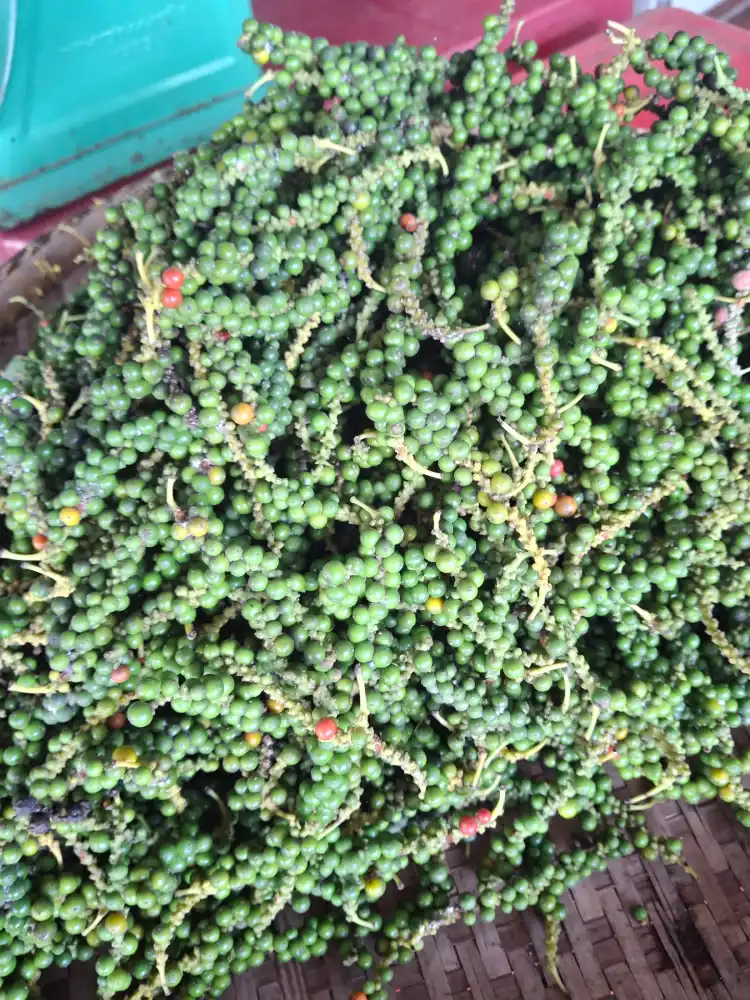
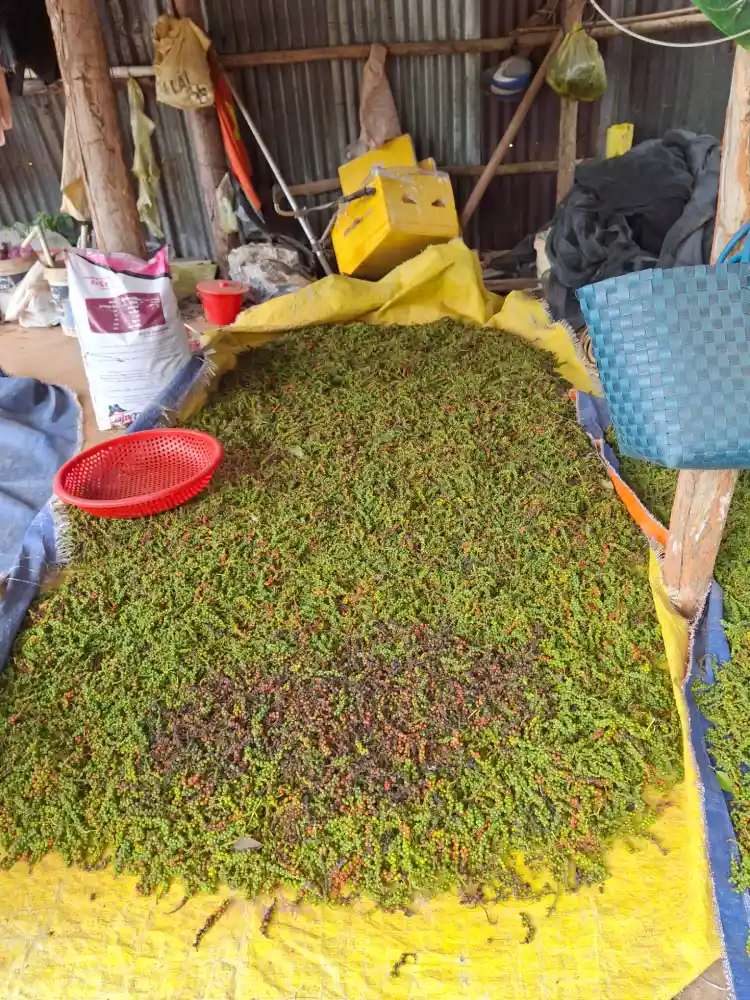
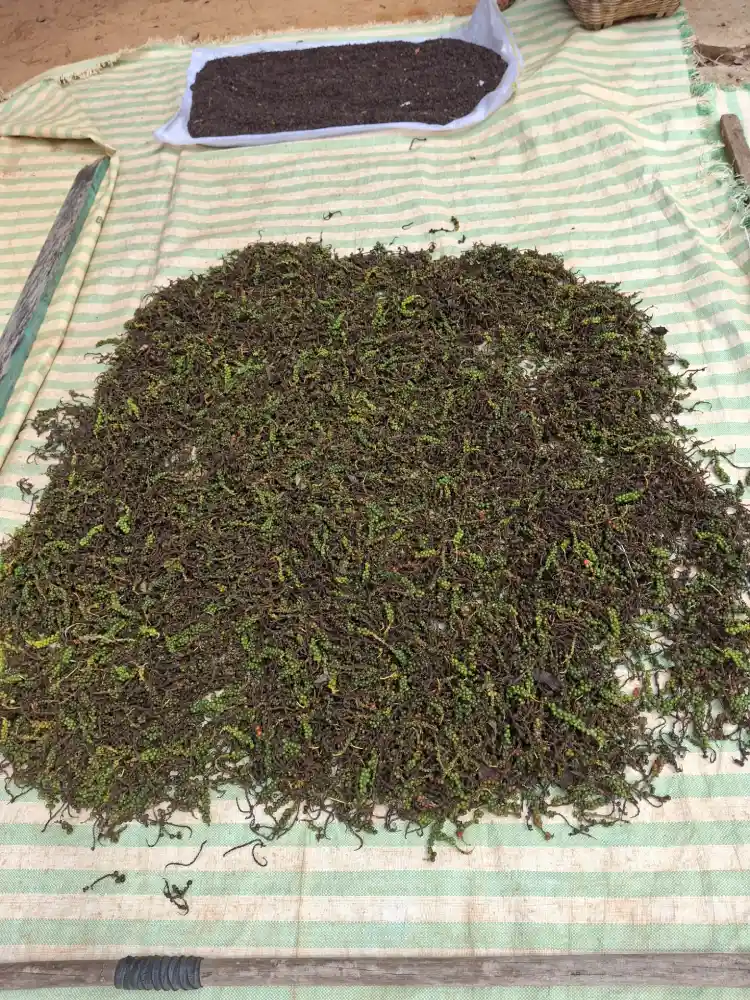
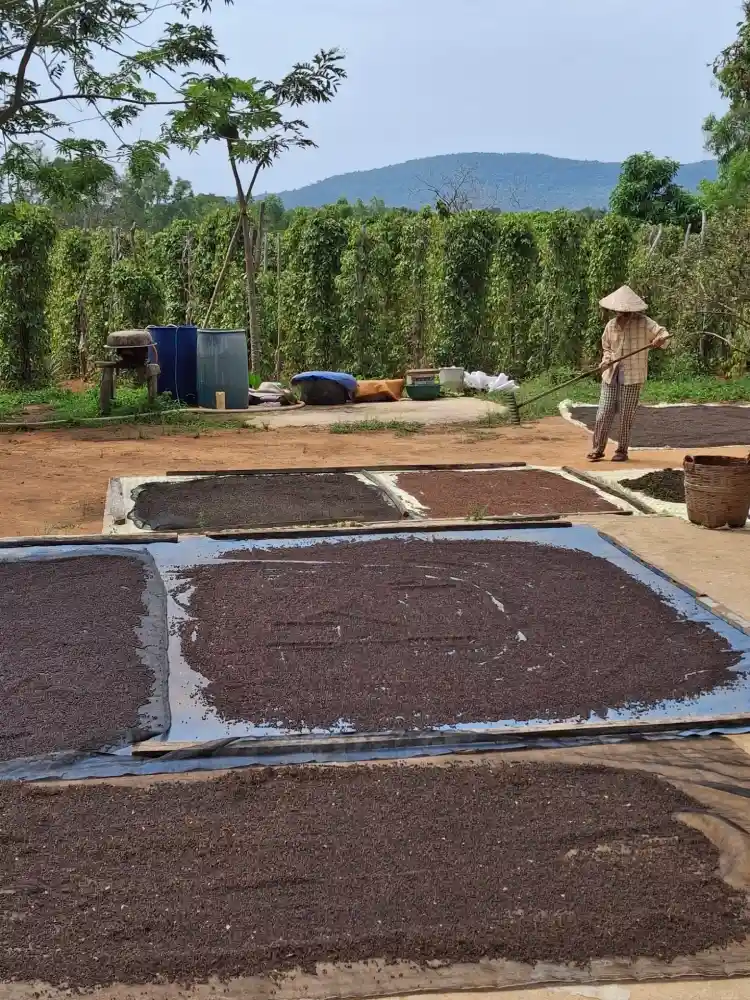

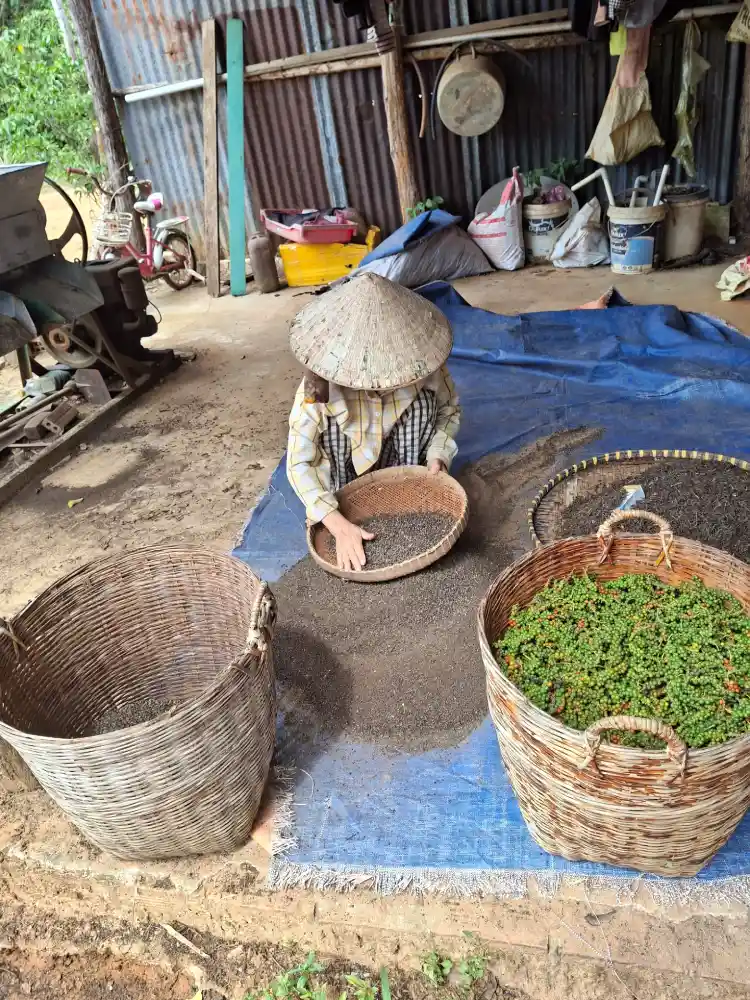
The dried drupes are sifted to remove impurities and packaged as whole black peppercorns. If the drupes are allowed to ripen, they turn reddish and have a sweeter, more mellow, lingering flavour rather than the punch of flavour associated with black pepper. To produce white pepper, the red, ripened drupes are processed to remove the skin, leaving the light flesh of the fruit which is dried and finely ground to render powdered white pepper. This results in a milder, more musty flavour which can deliver more heat when added to food as the flavour is concentrated in the flesh of the fruit.
Green peppercorns are the unripened drupes which have a mild, fresh, slightly herbaceous flavour. These are frequently sold pickled in brine and are used in SE Asian and French Cuisine.
This month, I have shared my divine pepper sauce recipe which will add a creamy punch to any steak, chicken or baked potato. Keep reading to find this easy sauce recipe.
Bold & Biting Pepper: What’s in it for me?
The major active component in black pepper is Piperine. Scientists have only recently started to do extensive research into this component but there are already signs that Piperine may:
It will be interesting to see how this research develops.
If you are looking for a delicious sauce to compliment steak, chicken or baked potatoes, I recommend you try my creamy pepper sauce recipe:
Creamy Pepper Sauce
A deliciously creamy sauce with a peppery kick. (serves 4)
Ingredients:
- 15 g butter
- ½ small onion – very finely chopped
- 1 clove garlic – crushed
- 15 ml crushed black pepper (or more if preferred)
- 5 ml finely chopped fresh rosemary
- 5 ml lemon juice
- 15 ml flour
- 125 ml cream
- 125 ml milk
- Salt to taste

Method:
- Place butter into a medium size pot and turn on the heat to melt it.
- Place garlic and onion into the melted butter and sauté until glossy and translucent but not brown.
- TURN OFF THE HEAT. Add the lemon juice, black pepper, rosemary and flour. Mix well.
- Gradually add the cream and milk, stirring well so that no lumps form.
- TURN THE HEAT source back ON. Stir until the mixture boils and thickens.
- Season with salt to taste.
- Serve hot over steak, pork, chicken or baked potatoes.